Blog / Story
Story
The Banned Painting That Survived a Bonfire
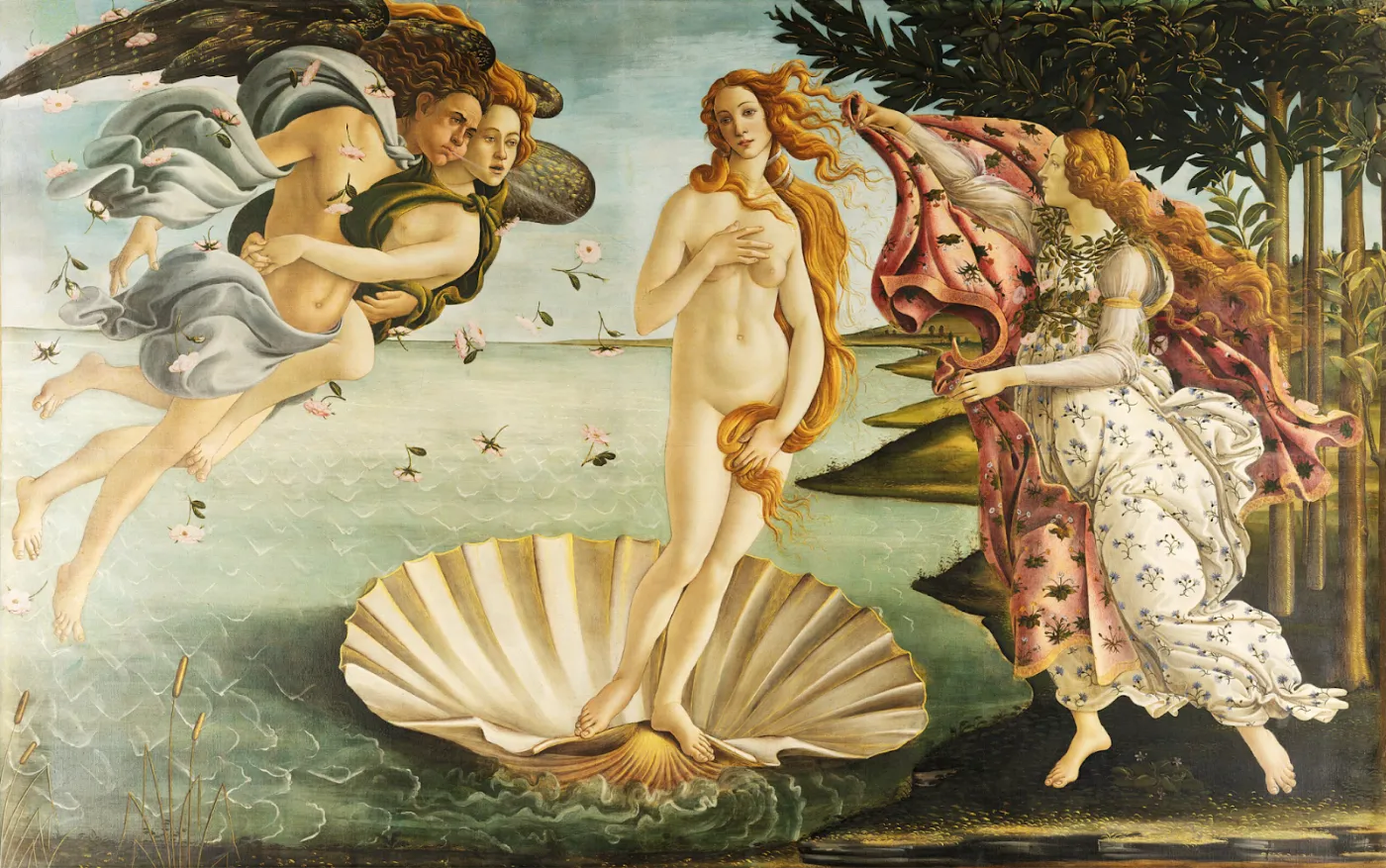
Sandro Botticelli's "Birth of Venus" is one of the most reproduced images in Art History: the goddess emerging from a seashell, naked and ethereal. But for centuries, this masterpiece was hidden away, considered too dangerous and immoral to display. It nearly ended-up in flames.
The Scandalous Commission
Around 1485, Lorenzo di Pierfrancesco de' Medici commissioned Botticelli to paint Venus for his villa. This was revolutionary and risky. For nearly a thousand years, the Catholic Church had banned depictions of nude pagan gods.
The painting depicts the moment Venus, goddess of love and beauty, is born from the sea foam created when the Titan Kronos castrated his father Uranus and threw his genitals into the ocean… yes, really. She stands in a giant scallop shell, blown to shore by wind gods while a nymph rushes to cover her nudity with a flowered cloak.
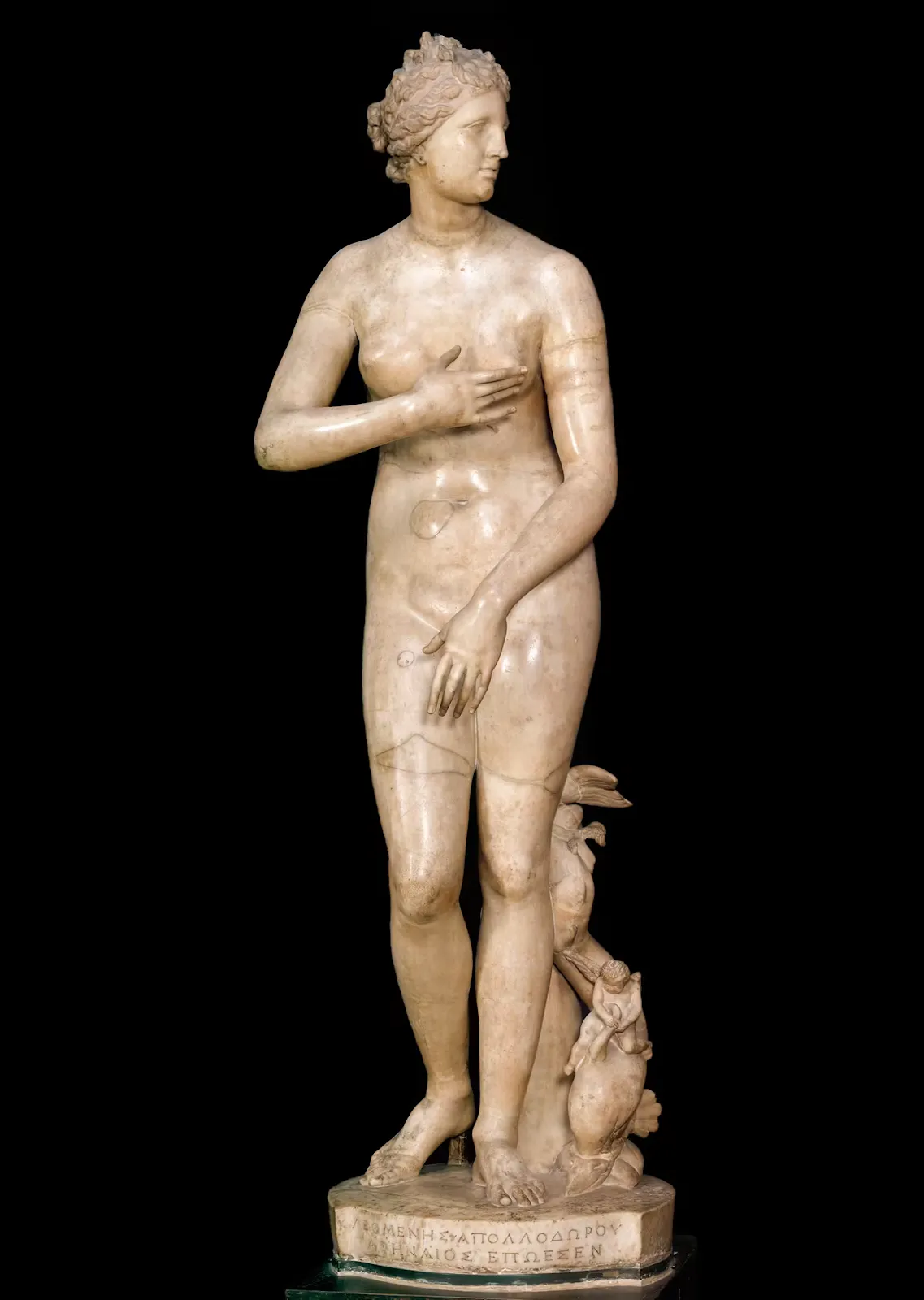
Botticelli made Venus impossibly beautiful, but also strangely modest: her hand strategically placed, her pose deriving from ancient Venus pudica (or “modest Venus”) sculptures. He was painting paganism but with Christian sensibility, a precarious balance.
The Bonfire of the Vanities
Everything changed when Girolamo Savonarola, a fire-and-brimstone Dominican friar, seized control of Florence in 1494. He believed Renaissance art was corrupting souls, and called for the destruction of anything deemed sinful: books, cosmetics, musical instruments, mirrors, and especially "immoral" paintings.
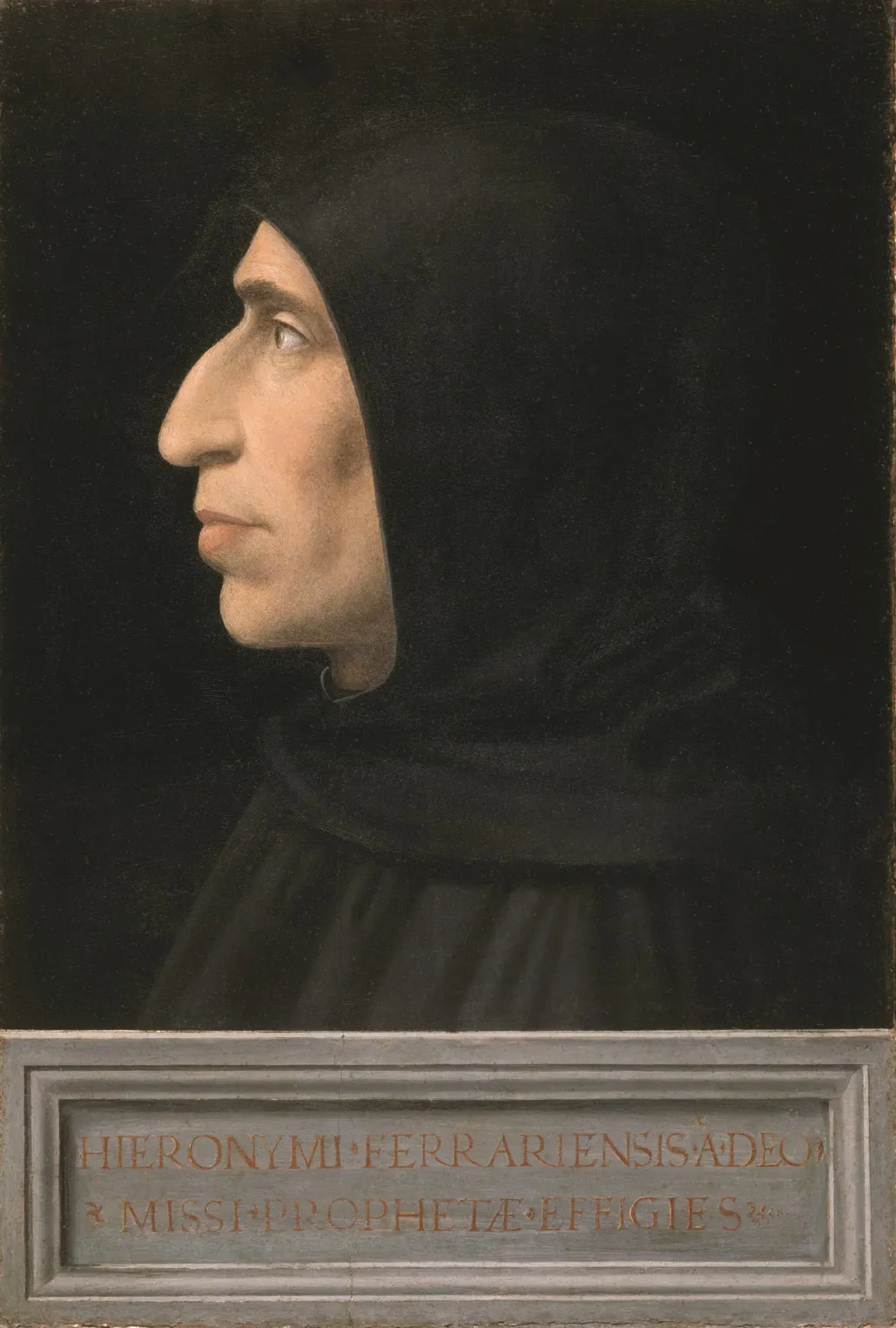
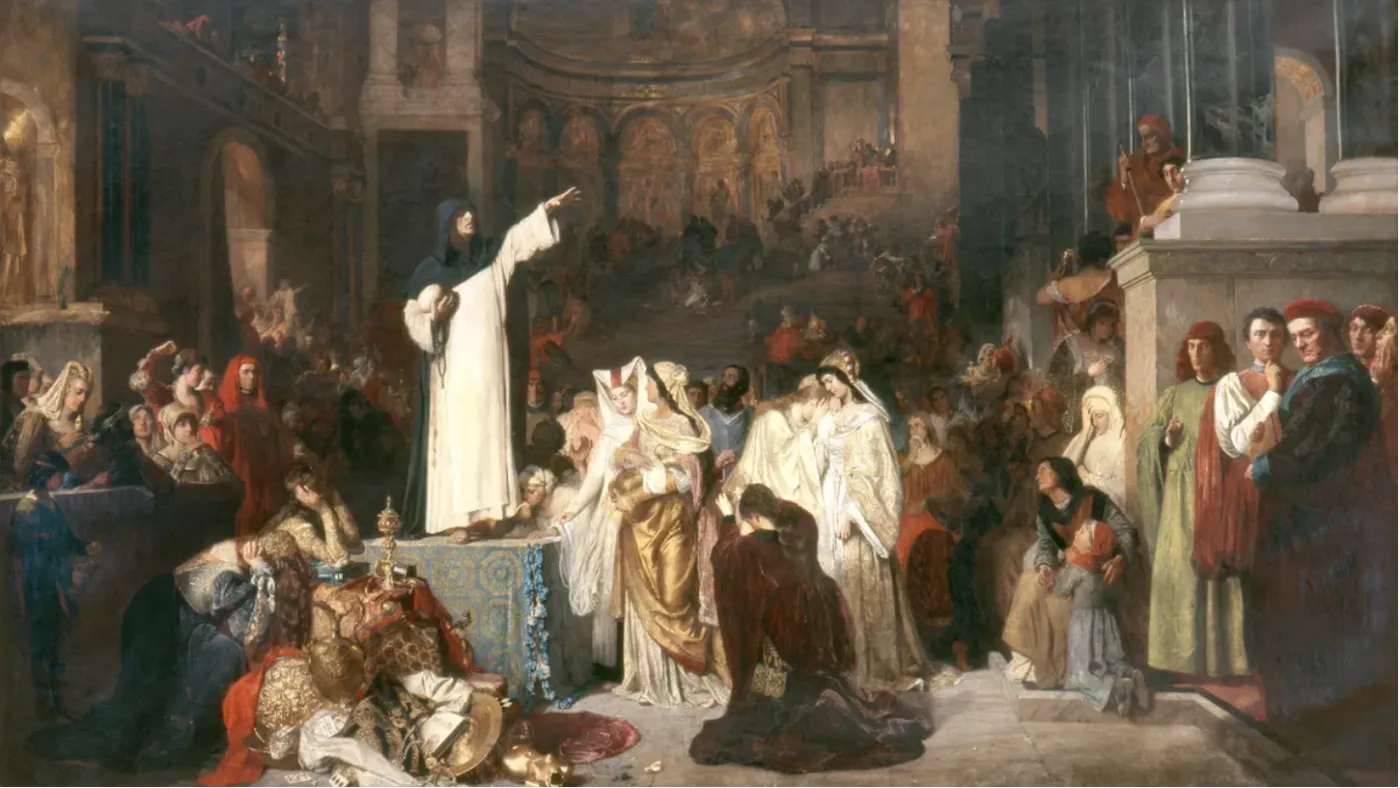
On February 7, 1497, Savonarola organized the Bonfire of the Vanities in Florence's Piazza della Signoria. Citizens were urged to throw vanity items into massive pyres. Thousands of artworks burned. Paintings depicting mythological scenes, exactly like Botticelli's Venus, were primary targets.
Botticelli himself fell under Savonarola's spell. The artist became a follower, destroying some of his own paintings and adopting a more severe religious style.
Hidden in the Vault
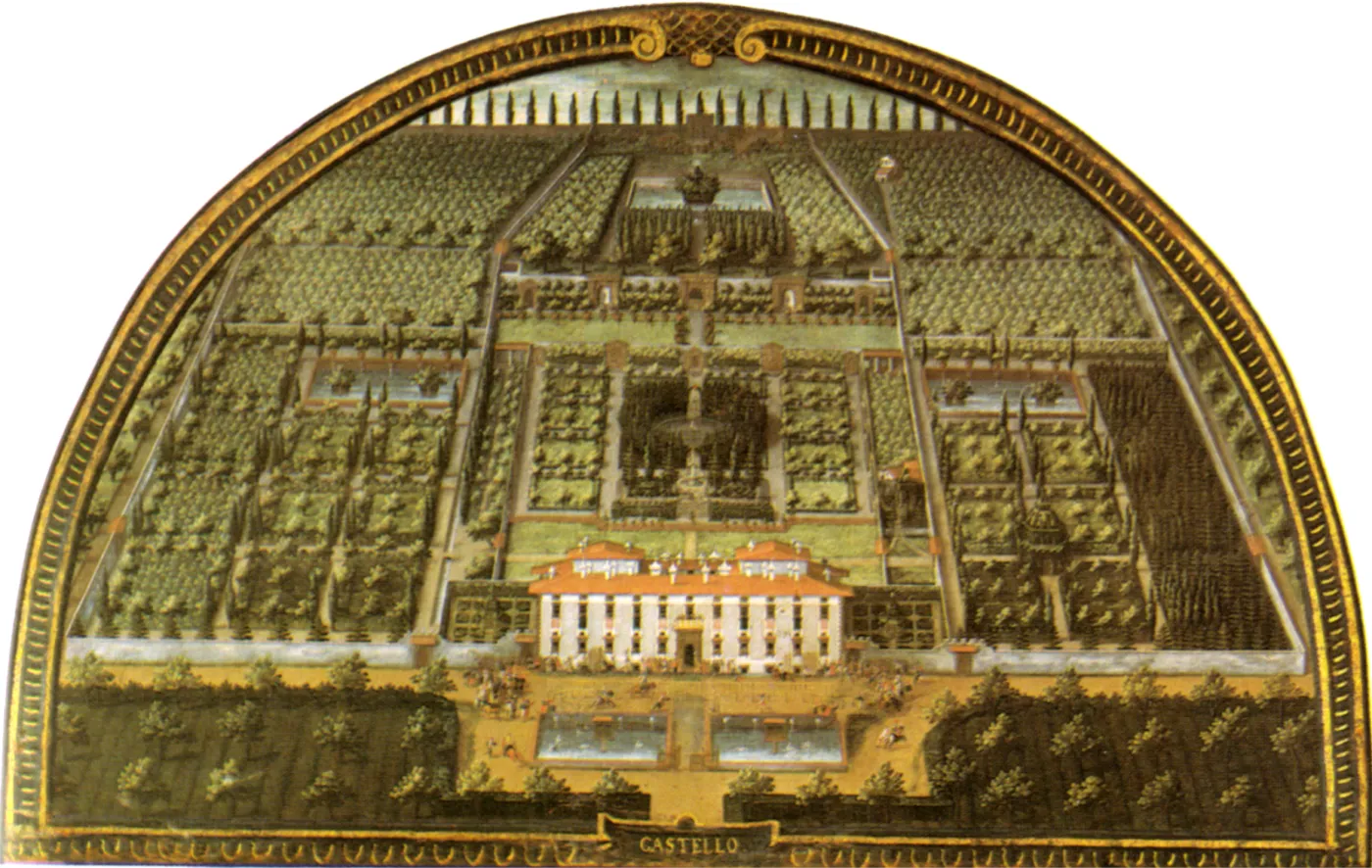
But Birth of Venus survived. The Medici family, though temporarily exiled, hid their art collection. Venus was tucked away in the villa at Castello, too valuable to destroy but too controversial to display. For over 300 years, only the Medici inner circle saw the painting.
During this time, the painting's meaning was reinterpreted. Medici scholars argued Venus represented divine love, not earthly lust. The west wind blowing her to shore symbolized spiritual inspiration. The nymph's cloak represented the soul covering the body. With enough intellectual gymnastics, pagan nudity became Christian allegory.
Rediscovery and Restoration
It wasn't until 1815 that Birth of Venus moved to the Uffizi Gallery. Even then, it was kept in the tribune: a restricted room visitors needed special permission to enter. Women were often denied access; the nudity was considered too corrupting.
The painting was damaged while in storage: water spots, darkened varnish, paint loss along the seams. Major restorations in the 20th century revealed Botticelli's original colours: Venus's skin luminous and pale, the sea a brilliant blue-green, the flowers impossibly detailed.
Modern Icon
Today, Birth of Venus is one of the most famous and recognisable paintings in the world, reproduced on everything from coffee mugs to album covers. Andy Warhol made screen prints; Lady Gaga recreated the pose. It's appeared in hundreds of advertisements.
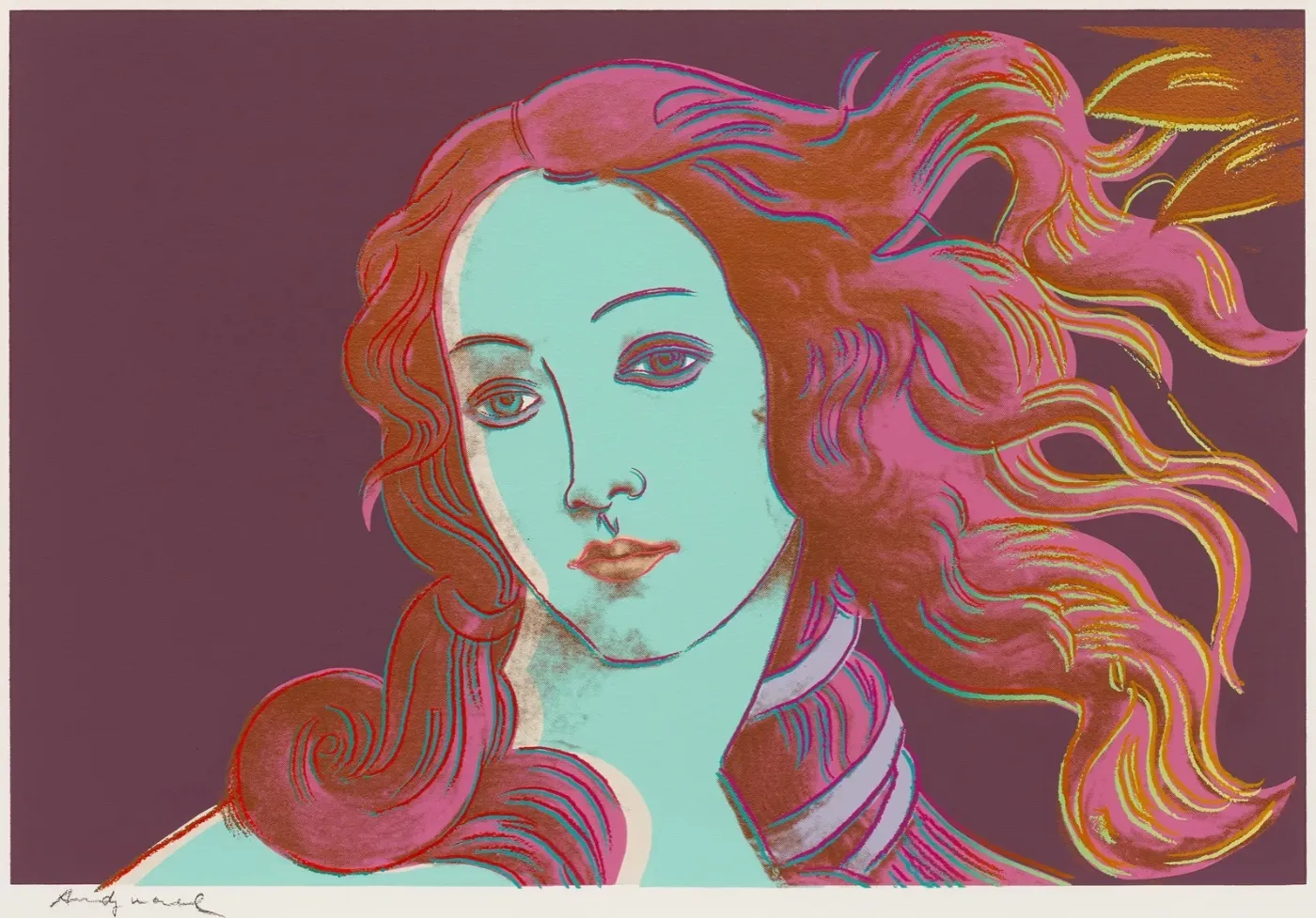
The painting that was once too scandalous to show publicly is now so ubiquitous we've forgotten how revolutionary it was. Four million people visit the Uffizi annually, and most come specifically to see Venus. The painting that should have burned in 1497 instead became immortal.