Blog / Visit guide
Visit guide
The MuseMuse Guide to Sounding Like an Art Expert
Art experts love using fancy words to show everyone how clever they are. This can be a bit intimidating (not to mention confusing). But have no fear: this cheat sheet will outline nine key terms that will have you sounding like a bona fide art buff in no time.
Let’s start with composition. This refers to how the different parts of a work come together to create a whole (much like a piece of classical music, or a cake).
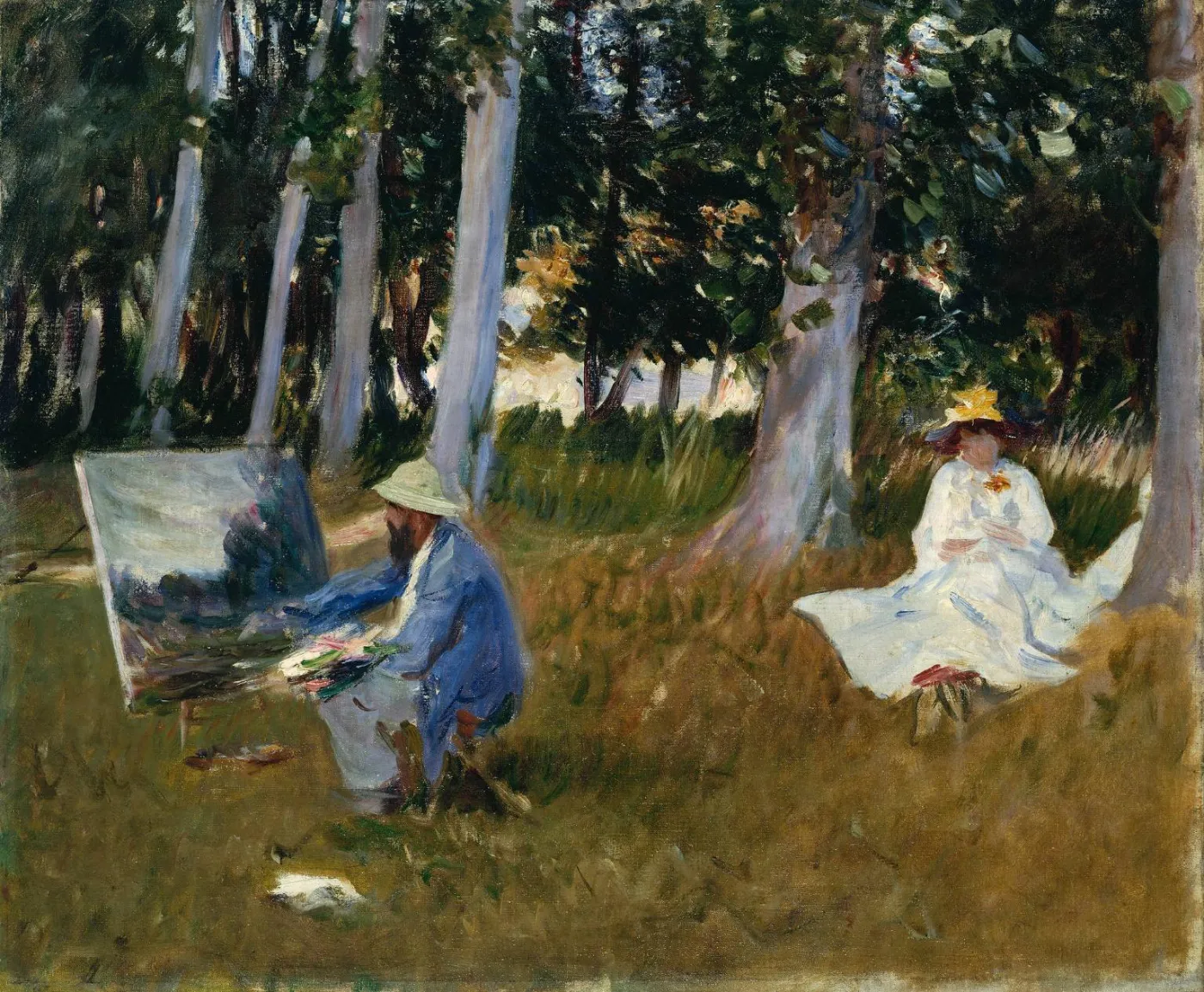
Next, up, we’ve got en plein air : a fancy way of saying 'outdoors'. Painting en plein air was popular with the Impressionists, who found that working outside let them capture the nuances of light and colour far better than they could in the studio.
Now, like almost every painter who came before them, the Impressionists were figurative artists. In plain English, this meant that they painted real things, like people and places and implausibly stacked fruit bowls.
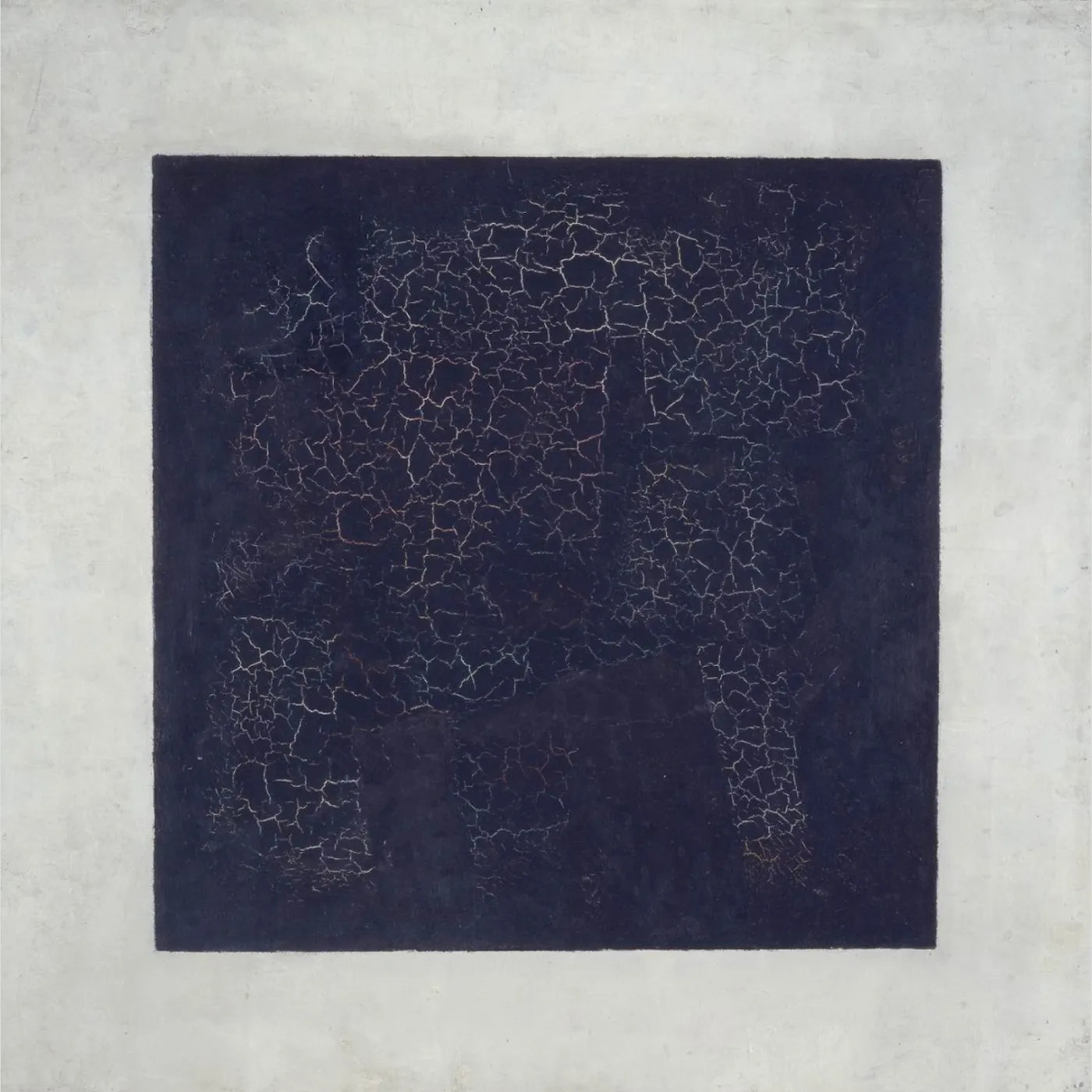
By contrast, abstract artists aren’t interested in depicting the world as we normally see it: if you're into shapes, lines and big blobs of colour, this might be the style for you.
Another bit of art jargon that sounds scarier than it really is diptych. This is simply an artwork made up of two separate parts or panels. And you guessed it, a triptych is a work made up of three.
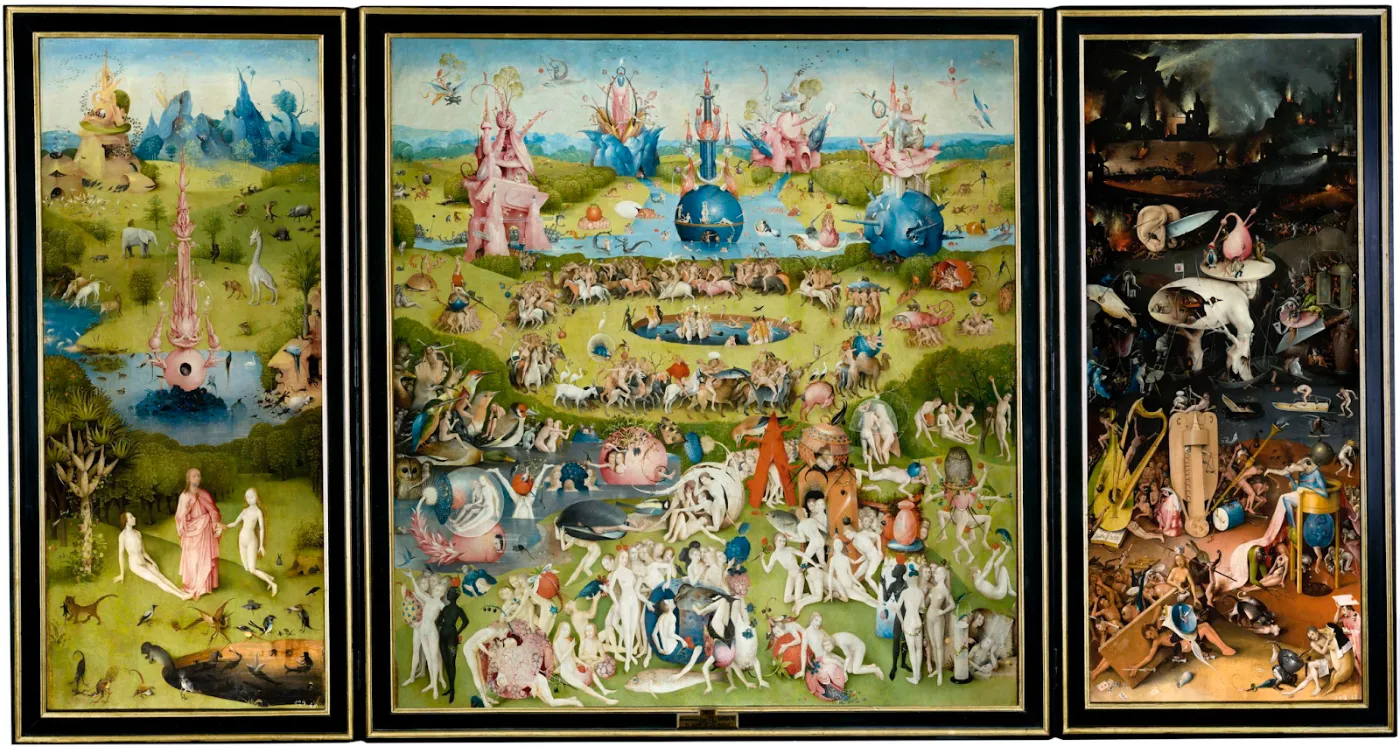
If a triptych doesn’t float your boat, then how about a tondo? Taken from rotondo, the Italian word for ‘round’, this refers to a work in the shape of a circle.
Another exotic term beloved by art buffs is fin de siècle. This French phrase translates to ‘end of century’, and generally refers to the period from around 1880 to 1900. Of course, you could simply say ‘the end of the 19th century’, but that wouldn’t be anything like as impressive, would it?
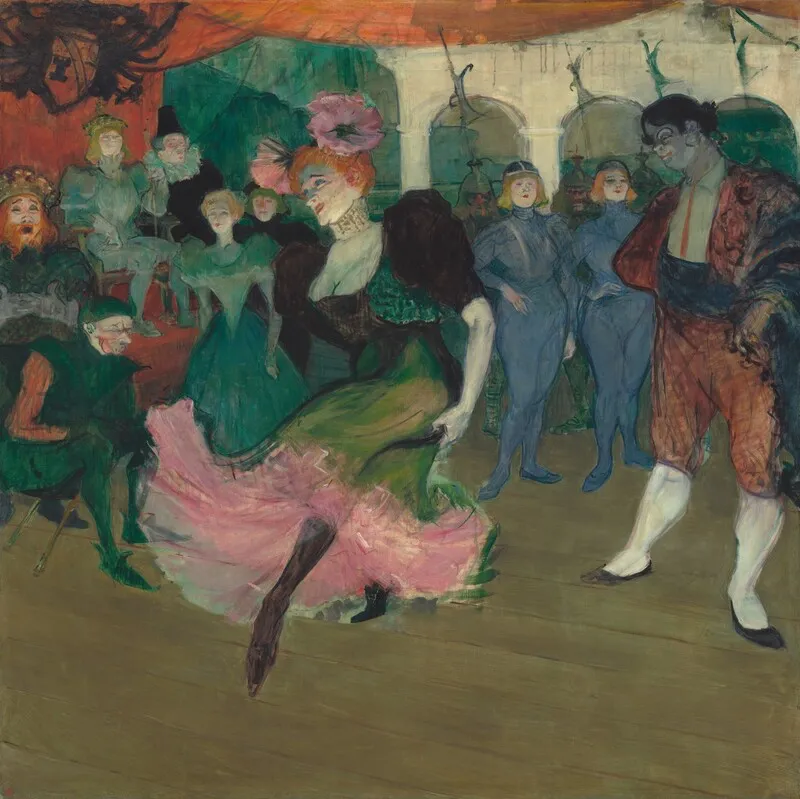
Last but not least, we come to the most valuable weapon in the art expert’s arsenal. Next time you find yourself faced with a work you really don’t understand, or a work you really don’t like, stand in silence, slowly stroke your chin, and after at least twenty seconds have passed, utter the immortal words: hmm… interesting.
Right: you’re all set to dazzle the experts with your newfound vocab. But if you want to take things to the next level, be sure to download MuseMuse.
Our app is packed full of bite-sized breakdowns spanning thousands of years of art and culture. And whether you’re a complete newbie or a cultural connoisseur, you’re bound to learn something new (and have fun while you do it.).