Blog / Story
Story
The Scream's Secret
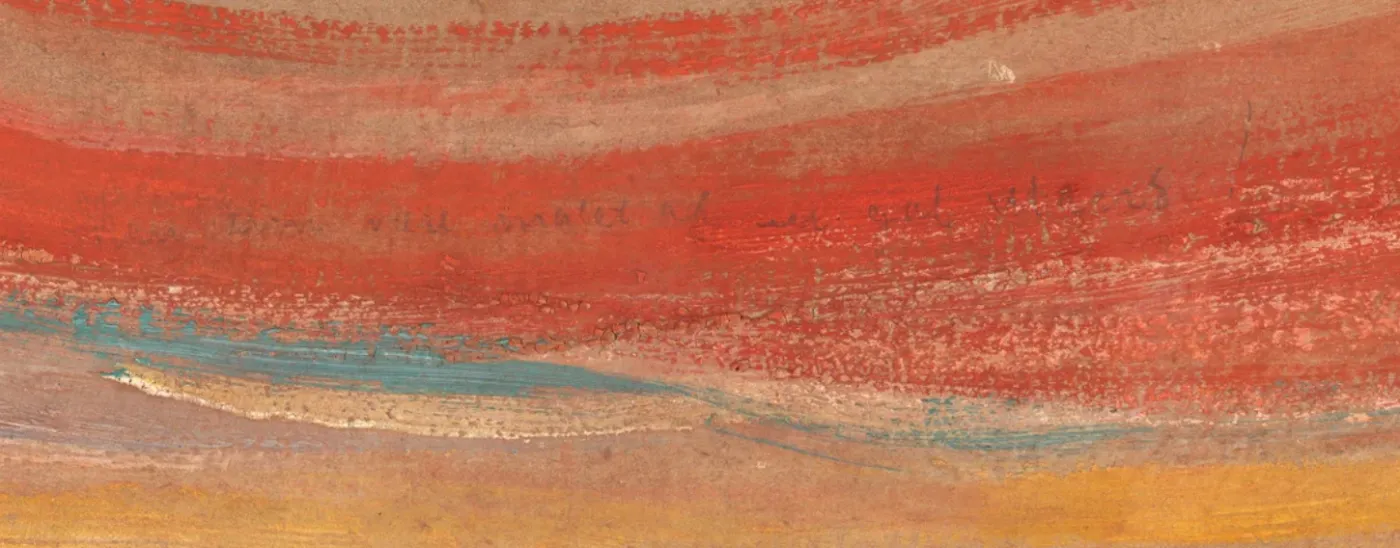
Look closely at Edvard Munch’s The Scream (1893) and you may notice something deeply unsettling; something which most visitors never see. Barely visible, etched into the painted sky, are the chilling words: “Can only have been painted by a madman.”
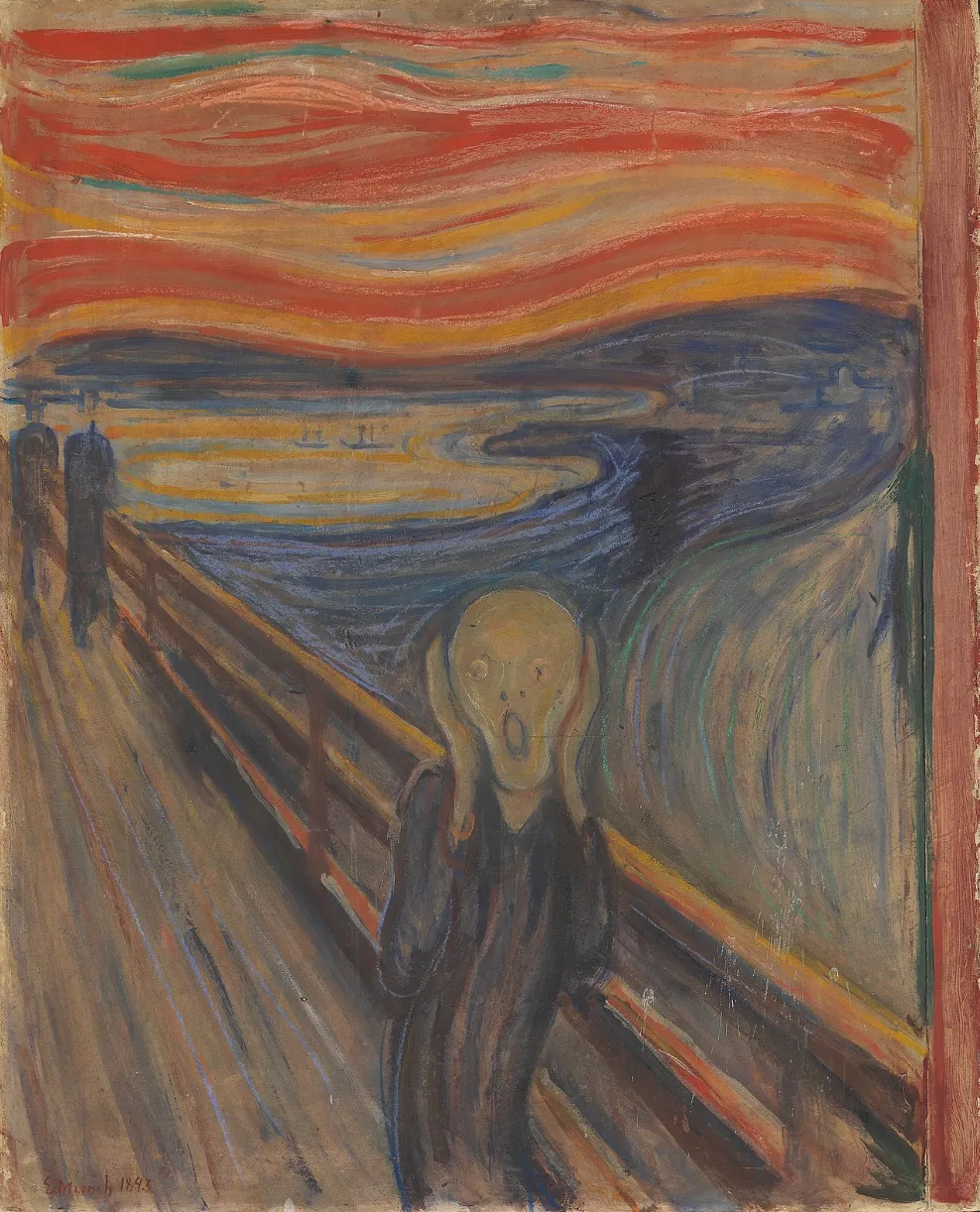
For decades, no one knew what to make of them. Some believed they were the work of a vandal. The truth remained a mystery until 2021, when infrared imaging and handwriting analysis finally settled the debate.
The words were written by Munch himself. The revelation transformed the painting from an expression of terror into something even more intimate: a quiet confession. The inscription appears on only one of the four known versions of The Scream.
The Night That Inspired Terror
The image was born from a single night that left a permanent mark on Munch. He later described the experience in his diary, and his words are as haunting as the painting itself:
“I was walking along the road with two friends, the sun was setting, suddenly the sky turned blood red, I paused, feeling exhausted, and leaned on the fence, there was blood and tongues of fire above the blue-black fjord and the city. My friends walked on, and I stood there trembling with anxiety, and I sensed an infinite scream passing through nature.”
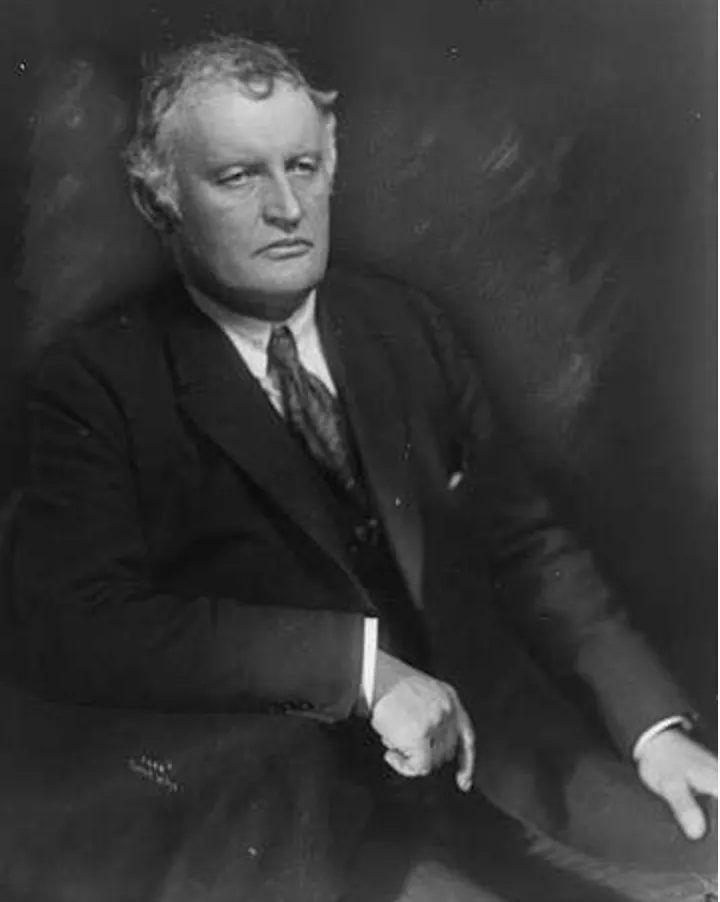
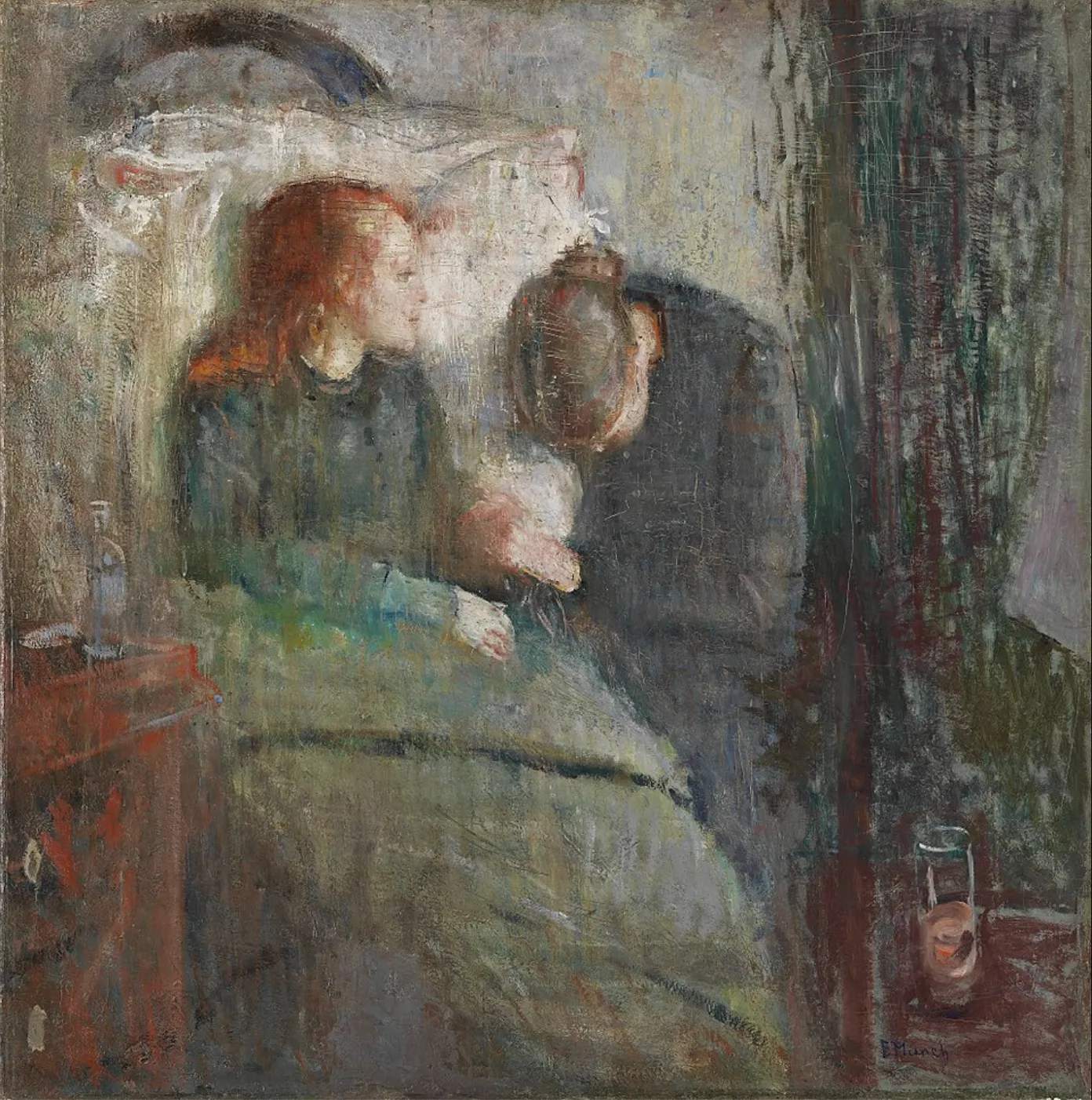
That moment of dread did not come out of nowhere. Munch’s life was already steeped in loss and fear. His mother and one of his sisters had died of tuberculosis when he was young. Another sister was later committed to a mental asylum. He struggled with alcoholism, anxiety, and recurring breakdowns. Mental illness haunted his family, and Munch lived with the constant fear that madness was not just around him, but inside him, waiting.
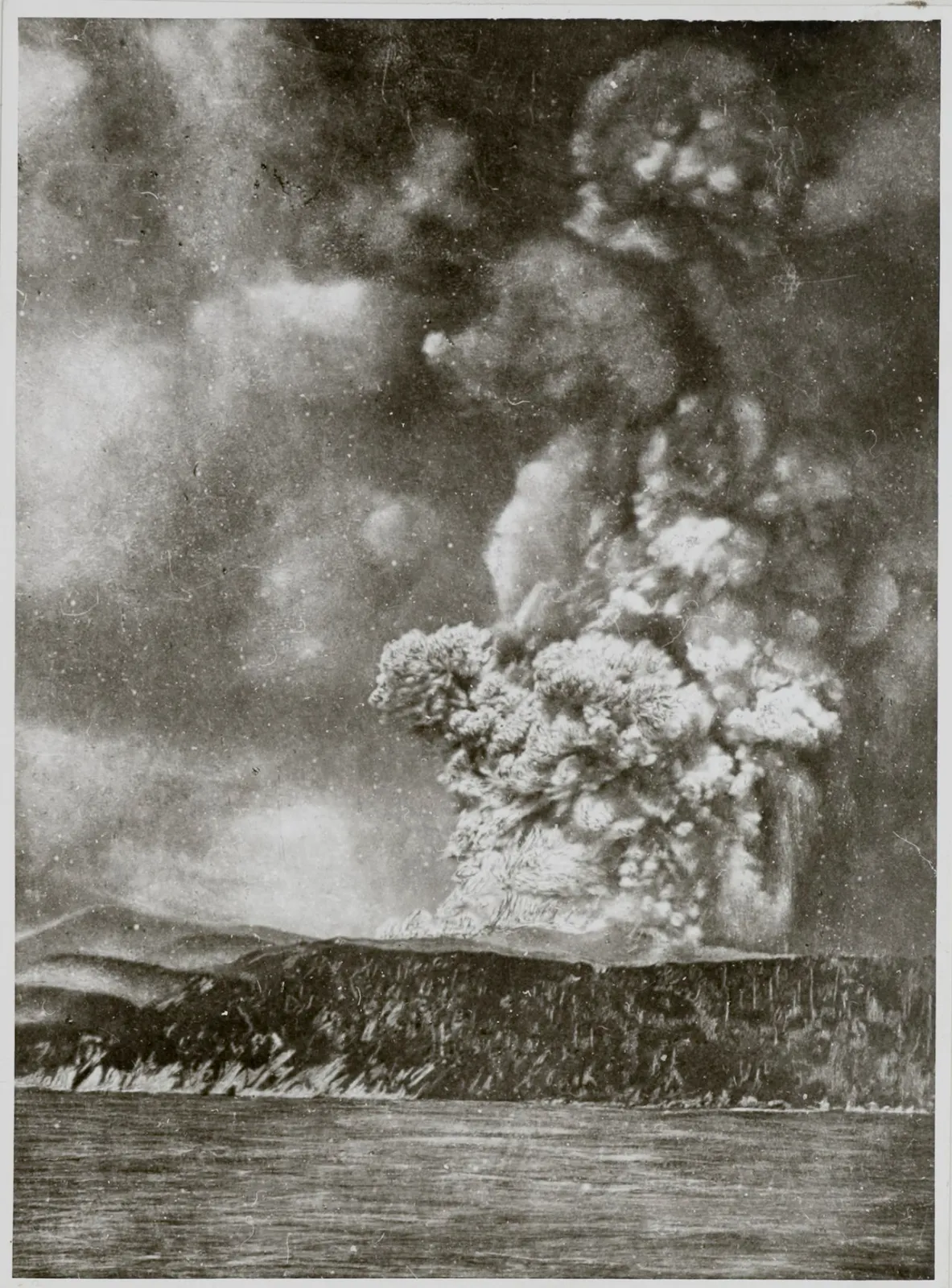
And that burning red sky may not have been pure imagination. Some scientists believe it was inspired by the eruption of the Krakatoa volcano in Indonesia in 1883. The explosion sent ash particles high into the atmosphere, creating spectacular, blood red sunsets around the world for years.
The Hidden Message
So why would Munch scribble such a brutal line over his own masterpiece?
The words were added after The Scream was first exhibited in 1895, after critics reacted rather harshly. One review mocked the work, suggesting that only a madman could have painted something so disturbing. Munch did not argue publicly. Instead, he responded in pencil, writing the accusation himself in letters so faint they almost disappeared into the paint. It was defiance, irony, and self-awareness all at once.
The painting’s troubled history does not end there. The Scream was stolen twice, once in 1994 and again in 2004, and recovered both times. Four versions of the work exist today. One of them, the 1895 pastel, sold for $119.9M in 2012, making it one of the most expensive ever sold.
What remains is an image that still screams across time, and a single sentence, nearly erased, that asks whether madness was the subject of the painting, or its source.